دھمال: صوفی روایت نال جڑی اک ثقافتی روایت
دھمال: صوفی روایت نال جڑی اک ثقافتی روایت
دھمال اک روایتی روحانی انداز اے، جو برصغیر دے بعض صوفی اجتماعاں نال طویل عرصے توں وابستہ اے۔ ایہہ عموماً عرس مبارک یا ہور مذہبی مواقع اُتے روحانی خوشی، شکرگزاری تے اللہ تعالیٰ دی یاد دے اظہار دے طور اُتے کیتی جاندی اے۔ ایس نوں محض اک مظاہرہ نہیں سمجھیا جاندا بلکہ بہت سے عقیدت مند ایس نوں صوفی محفل دے روحانی ماحول وچ اپنی محبت تے عقیدت ظاہر کرن دا اک ذریعہ سمجھدے نیں۔
دھمال دی روایت برصغیر دی ثقافتی تاریخ نال جڑی ہوئی اے، جتھے وقت دے نال مقامی روایتاں بعض صوفی درباراں دیاں رسماں دا حصہ بن گئیاں۔ جدوں صوفیائے کرام نے محبت، حکمت تے خدمتِ خلق دے ذریعے اسلام دا پیغام عام کیتا، تے مختلف علاقیاں وچ عقیدت دے اظہار دے اپنے اپنے انداز وجود وچ آئے۔ دھمال وی انہاں وچوں اک ثقافتی روایت اے، جیہڑی آج پاکستان تے بھارت دے کئی صوفی مراکز دی روحانی وراثت دا حصہ سمجھی جاندی اے۔
ایہہ گل سمجھنی ضروری اے کہ دھمال نہ فرض اے، نہ سنت، تے نہ اسلام وچ مقرر کیتی گئی عبادت دا حصہ اے۔ جیہڑے لوک ایس وچ حصہ لیندے نیں، اوہ ایس نوں بعض صوفی سلسلیاں نال وابستہ اک ثقافتی تے روحانی روایت سمجھدے نیں۔ کئی صوفی سلاسل وچ دھمال دی روایت موجود اے، جدوں کہ کئی ہور سلاسل ایس اُتے عمل نہیں کردے۔ ایہہ صوفی روایتاں دے اندر موجود تنوع دی علامت اے۔
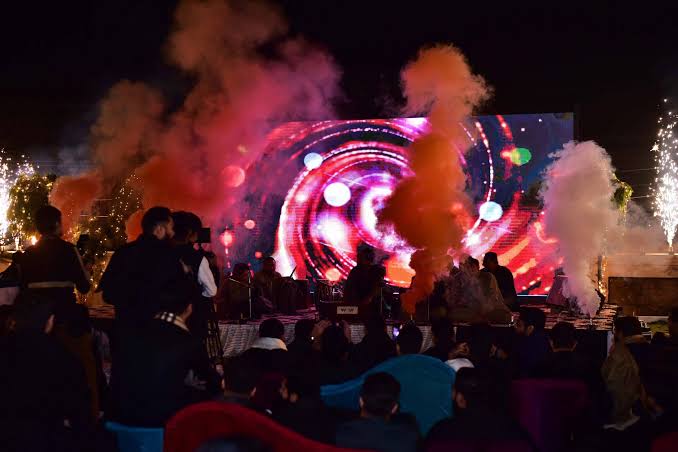
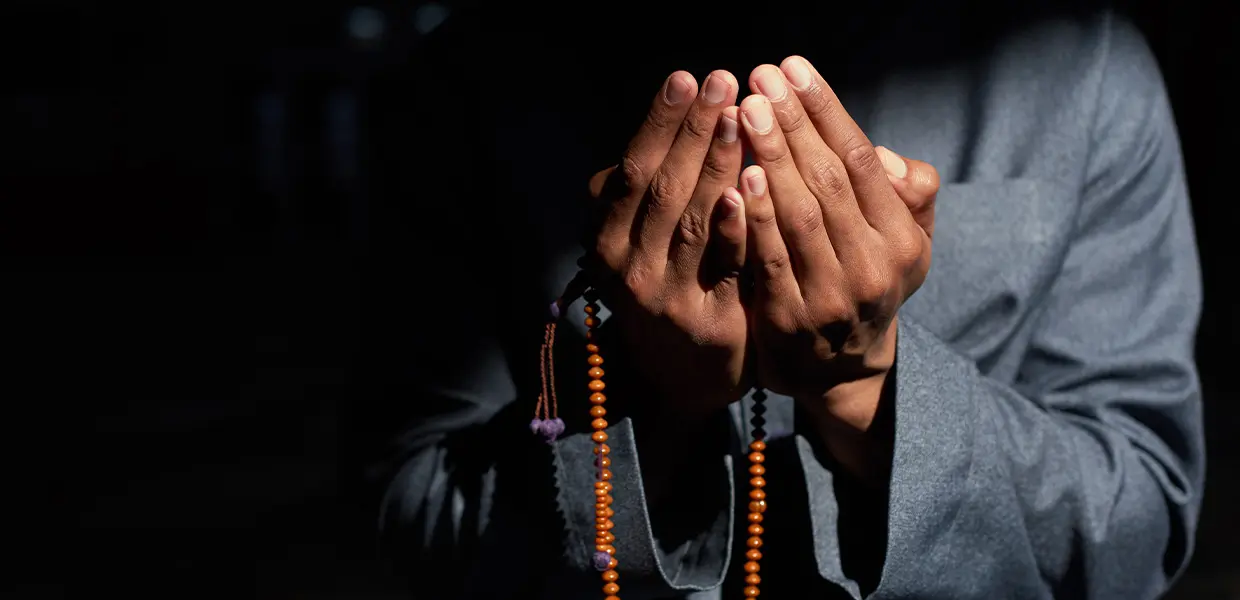
دھمال دے دوران عقیدت مند اکثر محفلِ سماع (قوالی) یا روحانی کلام سن دے ہوئے ذکر دے ماحول وچ مخصوص انداز نال حرکت کردے نیں۔ شریک ہون والے لوکاں دے مطابق ایس دا مقصد دل نوں اللہ تعالیٰ دی یاد نال جوڑنا تے روحانی عقیدت دا اظہار کرنا ہوندا اے۔ ایس دے نال نال بہت سے زائرین دھمال وچ شریک ہون دی بجائے قرآنِ مجید دی تلاوت، ذکرِ الٰہی، دعا یا خاموش عبادت تے غور و فکر نوں ترجیح دیندے نیں۔
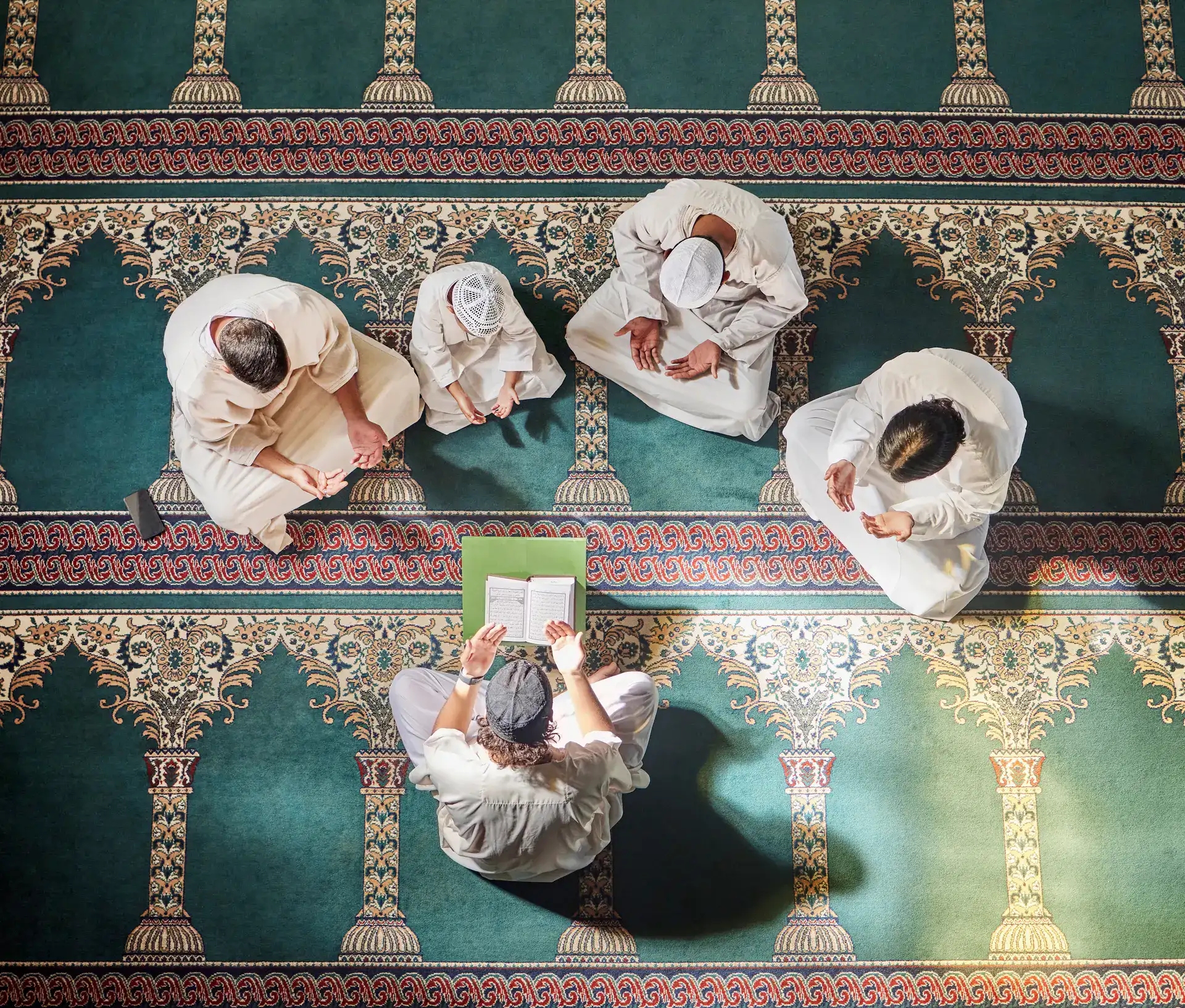
دربار حضرت خواجہ سائیں غلام نبی چشتی نظامی رحمۃ اللہ علیہ وچ ہر مذہبی اجتماع دا اصل مقصد اللہ تعالیٰ دا ذکر، قرآنِ مجید دی تلاوت، ختمِ خواجگان، اجتماعی دعاواں، محفلِ سماع (قوالی) تے خدمتِ خلق اے۔ ہر زائر اپنی سمجھ، عقیدت تے احترام دے نال روحانی محفل وچ شریک ہوندا اے۔
سلسلۂ چشتیہ نظامیہ دا اصل پیغام عاجزی، اخلاص، محبت، رحم دلی تے انسانیت دی خدمت اے۔ چاہے کسی اجتماع نال کوئی ثقافتی روایت وابستہ ہووے، ایہہ بنیادی اقدار ہمیشہ دربار دی روحانی وراثت دا مرکز رہندیاں نیں تے نسل در نسل منتقل ہوندیاں آ رہیاں نیں۔
Dhamal: A Cultural Tradition Rooted in Sufi Heritage
Dhaamal is a traditional form of devotional movement that has long been associated with some Sufi gatherings in South Asia. It is generally performed during Urs celebrations or on special religious occasions as an expression of spiritual joy, gratitude, and remembrance of Allah. Rather than being viewed as a performance, many participants consider it a symbolic way of expressing love and devotion within the atmosphere of a Sufi gathering.
The origins of Dhaamal are closely linked to the cultural history of the Indian subcontinent, where local traditions gradually became part of the customs observed at certain Sufi shrines. Over the centuries, as Sufi saints spread the message of Islam through compassion, wisdom, and service to humanity, different regions developed their own cultural expressions of reverence. Dhaamal emerged as one such regional tradition and is now recognised as part of the heritage of several Sufi centres, particularly in Pakistan and India.
It is important to understand that Dhaamal is not a religious obligation (Farz), Sunnah, or a prescribed act of Islamic worship. It is regarded by those who practise it as a cultural and devotional tradition associated with certain Sufi communities. Many Sufi orders observe Dhaamal, while others do not, reflecting the diversity of customs within the wider Sufi tradition.
During a Dhaamal gathering, participants may move rhythmically while listening to Mehfil-e-Sama (Qawwali) or devotional recitations. The purpose, according to those who participate, is to focus the heart on the remembrance of Allah and to express spiritual devotion in an atmosphere of collective remembrance. At the same time, many visitors choose to participate through Qur’an recitation, Dhikr, Dua, or silent reflection instead of joining the Dhaamal itself.
At Darbar Hazrat Khawaja Sain Ghulam Nabi Chishti Nizami (R.A.), the emphasis of every religious gathering remains on the remembrance of Allah, recitation of the Holy Qur’an, Khatam-e-Khawajgan, collective supplications, Mehfil-e-Sama (Qawwali), and service to the community. Visitors participate according to their own understanding and with mutual respect for the spiritual atmosphere of the Darbar.
The enduring message of the Chishti Nizami tradition is one of humility, sincerity, compassion, and service to humanity. Whatever cultural customs may accompany a gathering, these values remain at the heart of the spiritual legacy preserved by the Darbar and passed on from one generation to the next.
ਧਮਾਲ: ਸੂਫ਼ੀ ਰਿਵਾਇਤ ਨਾਲ ਜੁੜੀ ਇੱਕ ਸੱਭਿਆਚਾਰਕ ਪਰੰਪਰਾ
ਧਮਾਲ ਇੱਕ ਰਵਾਇਤੀ ਰੂਹਾਨੀ ਅੰਦਾਜ਼ ਹੈ, ਜੋ ਦੱਖਣੀ ਏਸ਼ੀਆ ਦੇ ਕੁਝ ਸੂਫ਼ੀ ਇਕੱਠਾਂ ਨਾਲ ਲੰਬੇ ਸਮੇਂ ਤੋਂ ਜੁੜਿਆ ਹੋਇਆ ਹੈ। ਇਹ ਆਮ ਤੌਰ ‘ਤੇ ਉਰਸ ਮੁਬਾਰਕ ਜਾਂ ਹੋਰ ਧਾਰਮਿਕ ਮੌਕਿਆਂ ‘ਤੇ ਰੂਹਾਨੀ ਖੁਸ਼ੀ, ਸ਼ੁਕਰਗੁਜ਼ਾਰੀ ਅਤੇ ਅੱਲਾਹ ਤਆਲਾ ਦੀ ਯਾਦ ਦੇ ਪ੍ਰਗਟਾਵੇ ਵਜੋਂ ਕੀਤੀ ਜਾਂਦੀ ਹੈ। ਇਸ ਨੂੰ ਸਿਰਫ਼ ਇੱਕ ਪ੍ਰਦਰਸ਼ਨ ਨਹੀਂ ਸਮਝਿਆ ਜਾਂਦਾ, ਸਗੋਂ ਬਹੁਤ ਸਾਰੇ ਅਕੀਦਤਮੰਦ ਇਸ ਨੂੰ ਸੂਫ਼ੀ ਮਹਿਫ਼ਲ ਦੇ ਰੂਹਾਨੀ ਮਾਹੌਲ ਵਿੱਚ ਆਪਣੀ ਮੁਹੱਬਤ ਅਤੇ ਅਕੀਦਤ ਦੇ ਪ੍ਰਗਟਾਵੇ ਦਾ ਇੱਕ ਢੰਗ ਮੰਨਦੇ ਹਨ।
ਧਮਾਲ ਦੀ ਪਰੰਪਰਾ ਦੱਖਣੀ ਏਸ਼ੀਆ ਦੇ ਸੱਭਿਆਚਾਰਕ ਇਤਿਹਾਸ ਨਾਲ ਜੁੜੀ ਹੋਈ ਹੈ, ਜਿੱਥੇ ਸਮੇਂ ਦੇ ਨਾਲ ਸਥਾਨਕ ਰਿਵਾਇਤਾਂ ਕੁਝ ਸੂਫ਼ੀ ਦਰਬਾਰਾਂ ਦੀਆਂ ਰਸਮਾਂ ਦਾ ਹਿੱਸਾ ਬਣ ਗਈਆਂ। ਜਦੋਂ ਸੂਫ਼ੀਆ-ਏ-ਕਿਰਾਮ ਨੇ ਮੁਹੱਬਤ, ਹਿਕਮਤ ਅਤੇ ਖ਼ਿਦਮਤ-ਏ-ਖ਼ਲਕ ਰਾਹੀਂ ਇਸਲਾਮ ਦਾ ਪੈਗਾਮ ਫੈਲਾਇਆ, ਤਾਂ ਵੱਖ-ਵੱਖ ਇਲਾਕਿਆਂ ਵਿੱਚ ਅਕੀਦਤ ਦੇ ਆਪਣੇ-ਆਪਣੇ ਸੱਭਿਆਚਾਰਕ ਅੰਦਾਜ਼ ਵਿਕਸਿਤ ਹੋਏ। ਧਮਾਲ ਵੀ ਅਜਿਹੀਆਂ ਹੀ ਪਰੰਪਰਾਵਾਂ ਵਿੱਚੋਂ ਇੱਕ ਹੈ, ਜਿਸ ਨੂੰ ਅੱਜ ਪਾਕਿਸਤਾਨ ਅਤੇ ਭਾਰਤ ਦੇ ਕਈ ਸੂਫ਼ੀ ਕੇਂਦਰਾਂ ਦੀ ਰੂਹਾਨੀ ਵਿਰਾਸਤ ਦਾ ਹਿੱਸਾ ਮੰਨਿਆ ਜਾਂਦਾ ਹੈ।
ਇਹ ਸਮਝਣਾ ਮਹੱਤਵਪੂਰਨ ਹੈ ਕਿ ਧਮਾਲ ਨਾ ਫ਼ਰਜ਼ ਹੈ, ਨਾ ਸੁੰਨਤ ਅਤੇ ਨਾ ਹੀ ਇਸਲਾਮ ਵਿੱਚ ਨਿਰਧਾਰਤ ਕੀਤੀ ਗਈ ਇਬਾਦਤ ਦਾ ਹਿੱਸਾ ਹੈ। ਜਿਹੜੇ ਲੋਕ ਇਸ ਵਿੱਚ ਹਿੱਸਾ ਲੈਂਦੇ ਹਨ, ਉਹ ਇਸ ਨੂੰ ਕੁਝ ਸੂਫ਼ੀ ਸਿਲਸਿਲਿਆਂ ਨਾਲ ਜੁੜੀ ਇੱਕ ਸੱਭਿਆਚਾਰਕ ਅਤੇ ਰੂਹਾਨੀ ਪਰੰਪਰਾ ਮੰਨਦੇ ਹਨ। ਕਈ ਸੂਫ਼ੀ ਸਿਲਸਿਲਿਆਂ ਵਿੱਚ ਧਮਾਲ ਦੀ ਰਿਵਾਇਤ ਹੈ, ਜਦਕਿ ਕਈ ਹੋਰ ਇਸ ਨੂੰ ਨਹੀਂ ਅਪਣਾਉਂਦੇ। ਇਹ ਸੂਫ਼ੀ ਰਿਵਾਇਤਾਂ ਦੇ ਅੰਦਰ ਮੌਜੂਦ ਵਿਭਿੰਨਤਾ ਨੂੰ ਦਰਸਾਉਂਦਾ ਹੈ।
ਧਮਾਲ ਦੌਰਾਨ ਅਕੀਦਤਮੰਦ ਅਕਸਰ ਮਹਿਫ਼ਲ-ਏ-ਸਮਾ (ਕ਼ਵਾਲੀ) ਜਾਂ ਰੂਹਾਨੀ ਕਲਾਮ ਸੁਣਦੇ ਹੋਏ ਇੱਕ ਖ਼ਾਸ ਲੈਅ ਵਿੱਚ ਹਰਕਤ ਕਰਦੇ ਹਨ। ਇਸ ਵਿੱਚ ਹਿੱਸਾ ਲੈਣ ਵਾਲਿਆਂ ਦੇ ਅਨੁਸਾਰ ਇਸ ਦਾ ਮਕਸਦ ਦਿਲ ਨੂੰ ਅੱਲਾਹ ਤਆਲਾ ਦੀ ਯਾਦ ਨਾਲ ਜੋੜਨਾ ਅਤੇ ਰੂਹਾਨੀ ਅਕੀਦਤ ਦਾ ਪ੍ਰਗਟਾਵਾ ਕਰਨਾ ਹੁੰਦਾ ਹੈ। ਇਸ ਦੇ ਨਾਲ ਹੀ ਬਹੁਤ ਸਾਰੇ ਜ਼ਾਇਰੀਨ ਧਮਾਲ ਵਿੱਚ ਸ਼ਾਮਲ ਹੋਣ ਦੀ ਬਜਾਏ ਕੁਰਆਨ ਮਜੀਦ ਦੀ ਤਿਲਾਵਤ, ਜ਼ਿਕਰ-ਏ-ਇਲਾਹੀ, ਦੁਆ ਜਾਂ ਖ਼ਾਮੋਸ਼ ਇਬਾਦਤ ਅਤੇ ਗੌਰ-ਓ-ਫ਼ਿਕਰ ਨੂੰ ਤਰਜੀਹ ਦਿੰਦੇ ਹਨ।
ਦਰਬਾਰ ਹਜ਼ਰਤ ਖ਼ਵਾਜਾ ਸਾਈਂ ਗੁਲਾਮ ਨਬੀ ਚਿਸ਼ਤੀ ਨਿਜ਼ਾਮੀ ਰਹਿਮਤੁੱਲਾਹਿ ਅਲੈਹ ਵਿੱਚ ਹਰ ਧਾਰਮਿਕ ਇਕੱਠ ਦਾ ਅਸਲ ਮਕਸਦ ਅੱਲਾਹ ਤਆਲਾ ਦਾ ਜ਼ਿਕਰ, ਕੁਰਆਨ ਮਜੀਦ ਦੀ ਤਿਲਾਵਤ, ਖ਼ਤਮ-ਏ-ਖ਼ਵਾਜਗਾਨ, ਇਜਤਿਮਾਈ ਦੁਆਵਾਂ, ਮਹਿਫ਼ਲ-ਏ-ਸਮਾ (ਕ਼ਵਾਲੀ) ਅਤੇ ਖ਼ਿਦਮਤ-ਏ-ਖ਼ਲਕ ਹੈ। ਹਰ ਜ਼ਾਇਰੀਨ ਆਪਣੀ ਸਮਝ, ਅਕੀਦਤ ਅਤੇ ਆਪਸੀ ਇਜ਼ਤ ਨਾਲ ਇਸ ਰੂਹਾਨੀ ਮਾਹੌਲ ਵਿੱਚ ਸ਼ਾਮਲ ਹੁੰਦਾ ਹੈ।
ਸਿਲਸਿਲਾ-ਏ-ਚਿਸ਼ਤੀਆ ਨਿਜ਼ਾਮੀਆ ਦਾ ਅਸਲ ਪੈਗਾਮ ਅਜਜ਼ੀ, ਇਖ਼ਲਾਸ, ਮੁਹੱਬਤ, ਰਹਿਮਦਿਲੀ ਅਤੇ ਇਨਸਾਨੀਅਤ ਦੀ ਖ਼ਿਦਮਤ ਹੈ। ਭਾਵੇਂ ਕਿਸੇ ਇਕੱਠ ਨਾਲ ਕੋਈ ਸੱਭਿਆਚਾਰਕ ਪਰੰਪਰਾ ਜੁੜੀ ਹੋਵੇ, ਇਹ ਬੁਨਿਆਦੀ ਕਦਰਾਂ ਹੀ ਦਰਬਾਰ ਦੀ ਰੂਹਾਨੀ ਵਿਰਾਸਤ ਦਾ ਕੇਂਦਰ ਹਨ ਅਤੇ ਪੀੜ੍ਹੀ ਦਰ ਪੀੜ੍ਹੀ ਅੱਗੇ ਵਧਦੀਆਂ ਆ ਰਹੀਆਂ ਹਨ।